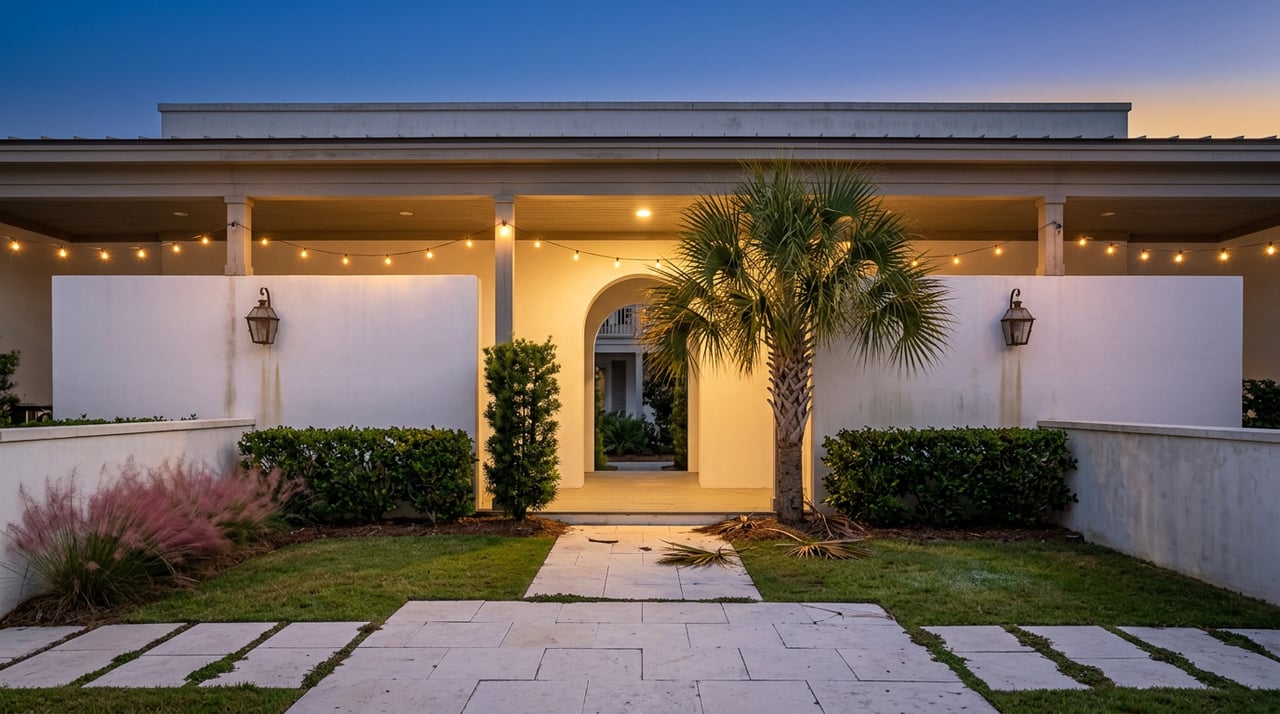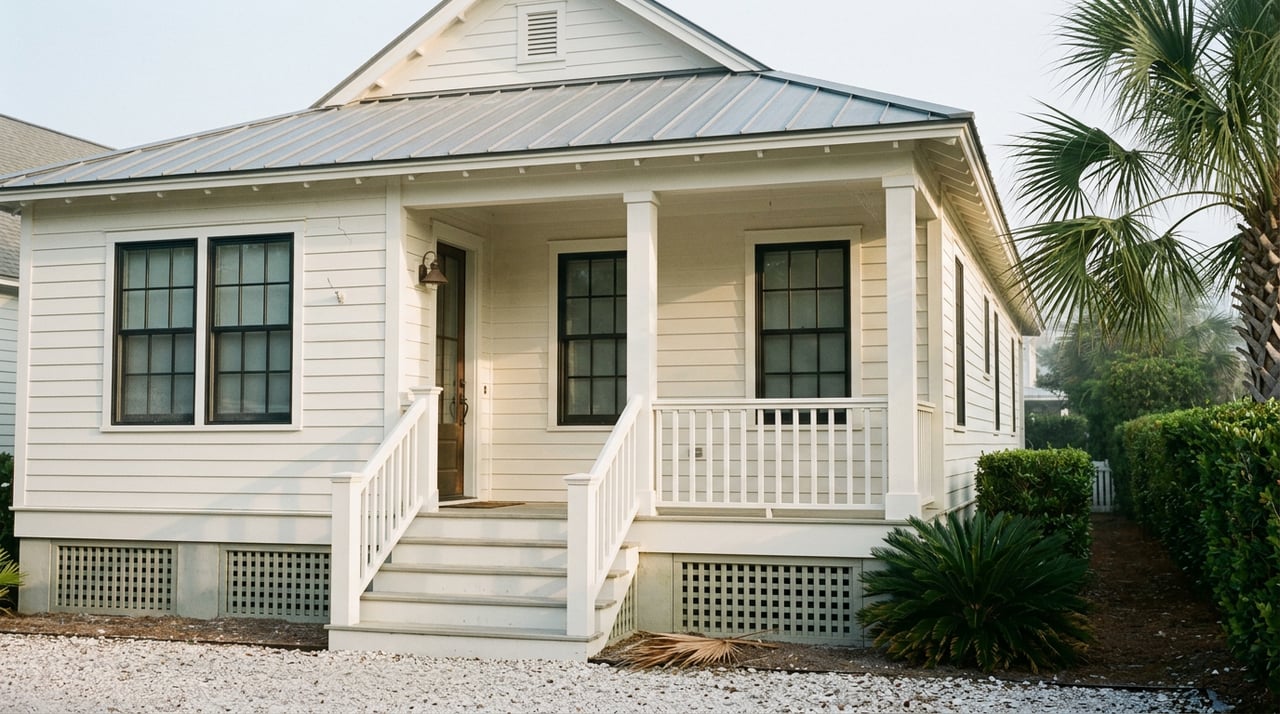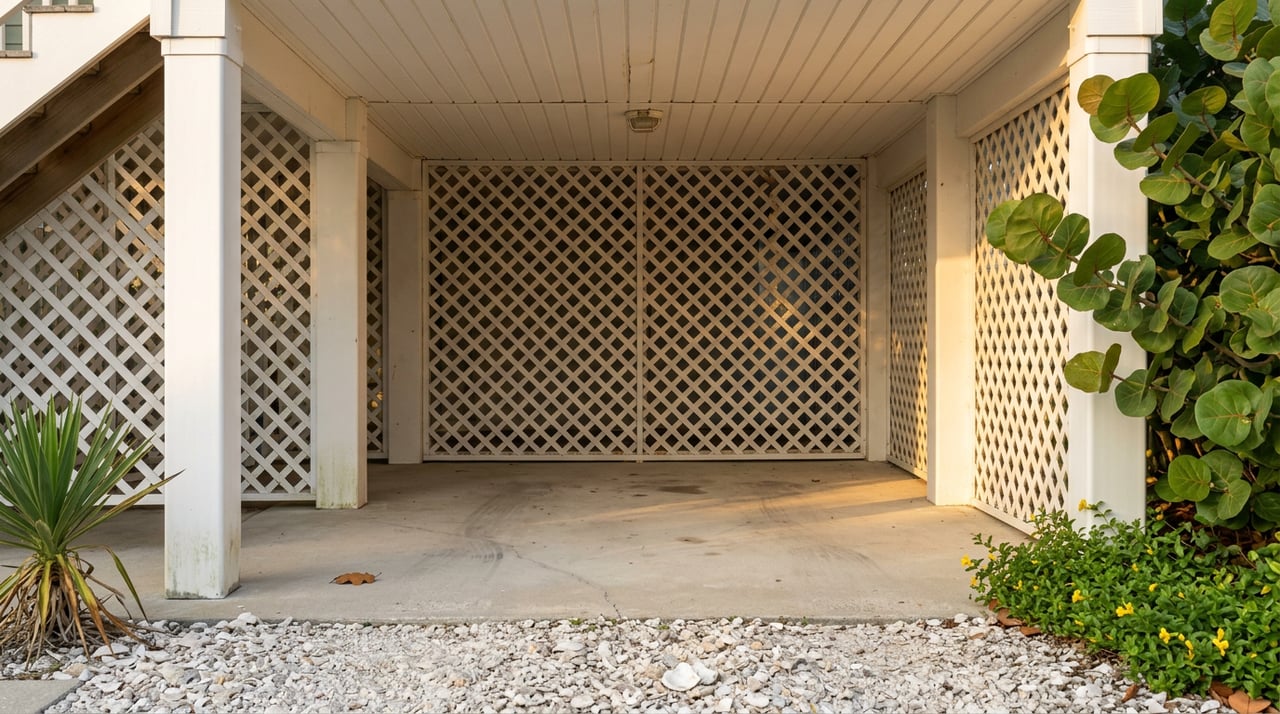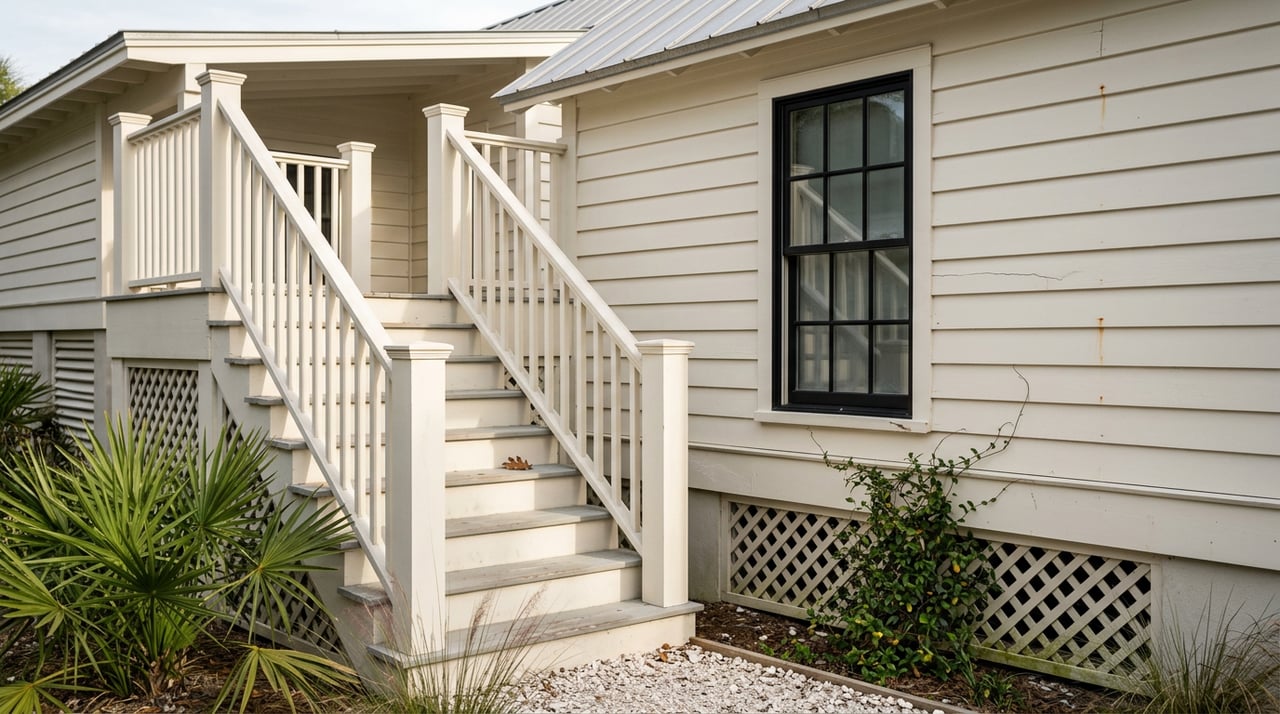
Stand on Seaside's town square and the whole place reads as one idea. Same weathered wood tones, same picket fences, same porches angled toward the same sidewalks. It looks like a town built from a single set of instructions, and for most visitors, that consistency is the entire appeal.
It is also the reason so many buyers assume the wrong thing before they close. Seaside's visual harmony does not come from one governing document. It comes from nine separate recorded declarations, each covering different residential sections, each administered a little differently, and each capable of answering the same question about your porch or your paint color in a different way than it answers for the cottage two lots down. Closing on a Seaside property hands you a deed. It does not hand you a single, town-wide answer to what you can do with the house.
One Look, Nine Declarations
Seaside's residential neighborhoods operate under nine recorded declarations that coordinate through a representative Seaside Town Council for day-to-day administration, while the original developer entity, Seaside Community Development Corp., retained separate authority over commercial and public areas like Town Center and the Lyceum. A Florida appellate decision has already had to sort out how that split works in practice, which tells you this is not a hypothetical wrinkle. Rights and enforcement can genuinely vary by which declaration covers your specific lot.
That matters the moment you start planning anything beyond moving in furniture. Seaside's published architectural code is unusually specific about what it governs: walls, porches, balconies, roofs, windows, doors, colors, lighting, signage, and sitework are all covered, and interior updates such as kitchens, baths, and fixtures tend to have more flexibility than exterior redesigns. But the code's specificity cuts both ways. Reports on 30A's strictest communities point to exterior lighting rules that require warm-white fixtures at 3000 Kelvin or below with every color subject to approval, which is the kind of detail that only shows up once you are asking a real question about a real light fixture, not browsing a listing photo.
Before you write an offer, the useful question is not "what does Seaside allow." It is "what does the declaration covering this exact lot allow, and what has already been approved or denied for this specific address."
The Monthly Clock That Doesn't Care About Your Closing Date
Once you know which declaration applies, exterior work routes through the Seaside Architectural Review Committee, known locally as SARC. SARC does not operate on a rolling or on-demand basis. Submissions are due the first Thursday of each month by 3:00 p.m., and the committee meets the second Thursday at 2:00 p.m. to review what came in.
That single scheduling detail can matter more to your renovation timeline than your interest rate. Close on a cottage the week after a submission deadline and you are not waiting days for SARC feedback. You are waiting closer to five weeks, and that is before Walton County's own permit review even starts. Buyers who plan a pre-season repaint or a window swap around their closing date, rather than around SARC's calendar, are the ones who end up renovating into their first rental season instead of ahead of it.
Here is how that plays out across three common projects, based on how Seaside's own code and Walton County's permitting rules interact:
| Project type | Who has to sign off | What adds time |
|---|---|---|
| Interior-only remodel (kitchen, bath, fixtures) | Generally outside SARC's scope; standard Walton County permit still applies | County permit review for structural, electrical, or plumbing work |
| Exterior change (repaint, window swap, fence, landscaping) | SARC review, then Walton County Building Division permit | Must land inside SARC's monthly submission window before any work can start |
| New pool or addition on a lot seaward of the Coastal Construction Control Line | SARC review, Walton County permit under the 2023 Florida Building Code, and Florida DEP review | County will not issue a permit until DEP review or an exemption determination is resolved |
Pools carry their own separate restriction worth knowing before you fall in love with a backyard: Seaside's code allows in-ground pools only within the main house's footprint, and pools, hot tubs, and spas are prohibited along frontages. If a listing photo shows a plunge pool tucked behind a cottage, that placement was not a design preference. It was likely the only placement the code allowed.
For any lot near the water, Florida's Coastal Construction Control Line program adds a state-level layer on top of SARC and the county. Walton County is explicit that projects seaward of the control line require a permit or exemption determination from DEP before a county building permit will be issued at all, and that Elevation Certificates from both FEMA and DEP come into play. None of this is optional paperwork you can skip by moving fast. It is a sequence, and each step waits on the one before it.
What Actually Shows Up At The Closing Table, And After
Two costs tend to surprise buyers who did their homework on the purchase price but not on the ownership structure.
The first is a capital contribution or transfer fee, separate from your recurring HOA dues, that typically runs 1 to 2 percent of the purchase price and is due at closing. On a $1.5 million cottage, that is a real range of $15,000 to $30,000 landing on the settlement statement, not spread out over years. Ask your agent for the last three years of special assessment history for the specific declaration covering your lot, not just the current year's dues, since assessment patterns tell you more about future costs than a single year's number ever will.
The second is insurance, and it is where Seaside's location does the most damage to a simple mortgage calculation. The town sits in FEMA Flood Zones AE and VE, and under FEMA's Risk Rating 2.0 system, flood premiums are now priced individually based on a property's specific elevation and distance from water rather than a flat zone rate. Add coastal windstorm coverage, which is priced separately from flood insurance, and as of early 2026, the combined bill can run $10,000 to $15,000 or more annually for a modest cottage, a figure that can rival the mortgage payment itself once you include it in your PITI math. Seaside also sits in a hurricane evacuation zone with two ways out, Highway 98 east or west, which is part of why coastal underwriters treat this stretch of the Panhandle as carefully as they do.
None of this makes Seaside a bad investment. Most of the town's housing stock already sits in an active rental pool, managed by companies like Cottage Rental Agency and 30A Luxury Vacations, precisely because the same design consistency that slows down your window swap is what protects the postcard look that commands premium nightly rates. The design control is not incidental to the rental income. It is a structural part of what makes the income possible.
Two Documents Worth Requesting Before You Write An Offer
- The recorded declaration and SARC approval history for the specific address, not a general Seaside packet. This tells you what has already been approved, denied, or left as a conditional approval that never reached final sign-off, which matters if you plan to build on someone else's unfinished project.
- An address-specific insurance quote run under Risk Rating 2.0, requested before you finalize your offer price. Elevation and distance from water move this number more than neighborhood reputation does, and two cottages a block apart can carry very different premiums.
Add a request for the current HOA budget, recent meeting minutes, and any special assessments in process, and you will walk into closing knowing what most buyers only learn afterward.
A Few Direct Questions
Does every exterior change in Seaside need SARC approval? The code covers a wide range of exterior elements, including roofs, porches, windows, doors, colors, lighting, and sitework. Interior updates like kitchens and baths tend to be more flexible, but any exterior work should be checked against SARC's scope before you assume it is a simple swap.
Can I add a pool to my Seaside cottage? Only within the main house's footprint. Pools, hot tubs, and spas are prohibited along frontages, so pool placement needs to be confirmed against the lot's layout before it factors into your offer.
How fast can I get feedback from SARC after closing? Submissions are due the first Thursday of the month by 3:00 p.m., with review at the second Thursday meeting. Timing a renovation plan around that cycle, rather than around your closing date, is the difference between finishing before a rental season and finishing into one.
Seaside rewards buyers who read the fine print before they fall for the porch. If you are weighing a specific cottage and want a lot-by-lot read on which declaration applies, what SARC's calendar means for your timeline, and what an honest insurance number looks like before you write an offer, Donna Gonzalez can walk through the specifics with you. Let's Connect.